How to Set Up Recurring Donation Billing That Survives Expired Cards
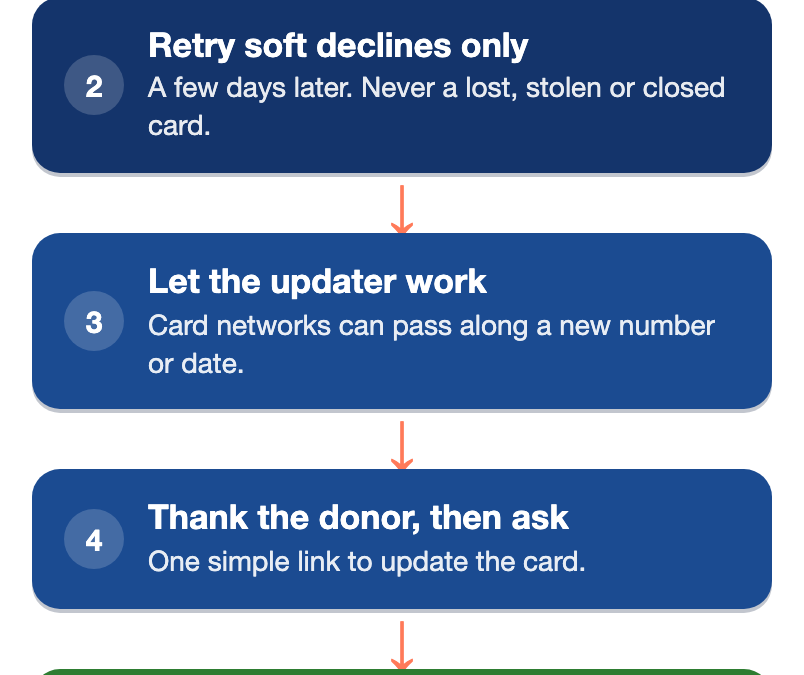
Recurring donation billing survives expired cards when four things work together: the card is stored as a token with the donor’s permission, your processor keeps it current through the card networks’ updater services, failed charges are retried with...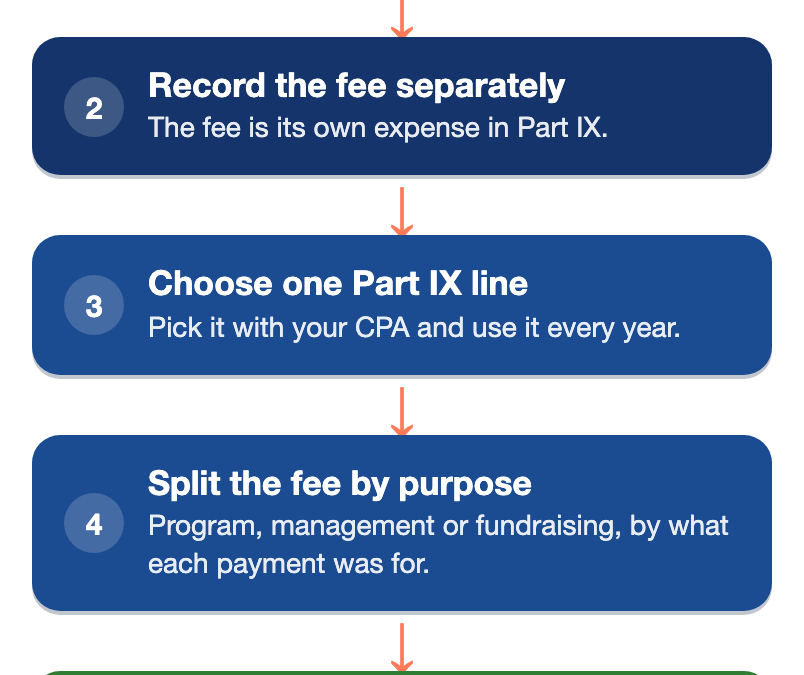
How Do I Report Payment Processing Fees on My Form 990?
Report every gift at its full amount on Form 990, then report the card processing fees separately as an expense, because the IRS tells nonprofits not to net related items and says an organization that reports contributions net of fundraising expenses can face a...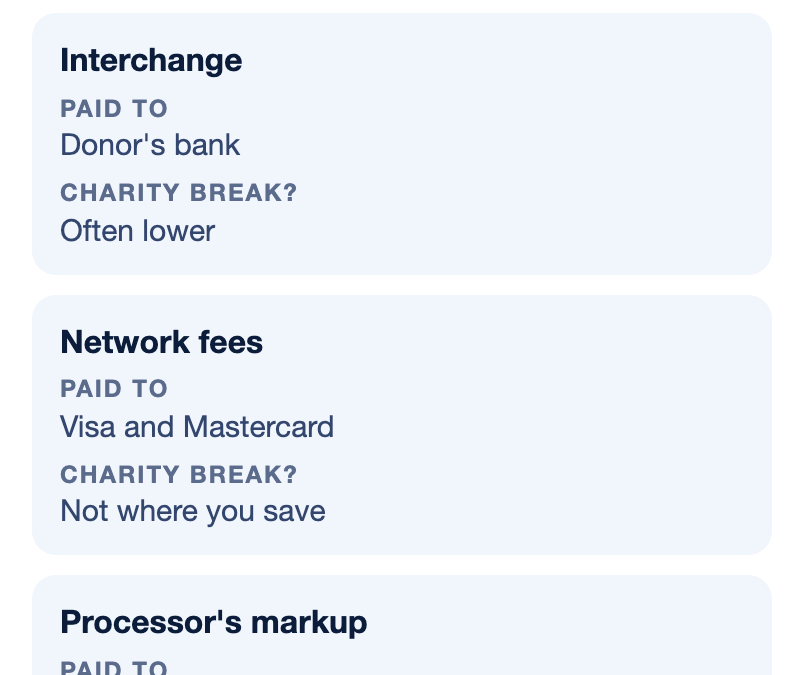
Do Nonprofits Pay the Same Card Processing Rates as For-Profit Businesses?
Not always, but far more nonprofits pay the same as a coffee shop than ever need to. Visa and Mastercard both keep charity categories in their published fee schedules, which means a properly set up donation can carry a lower base cost than an ordinary retail sale. The...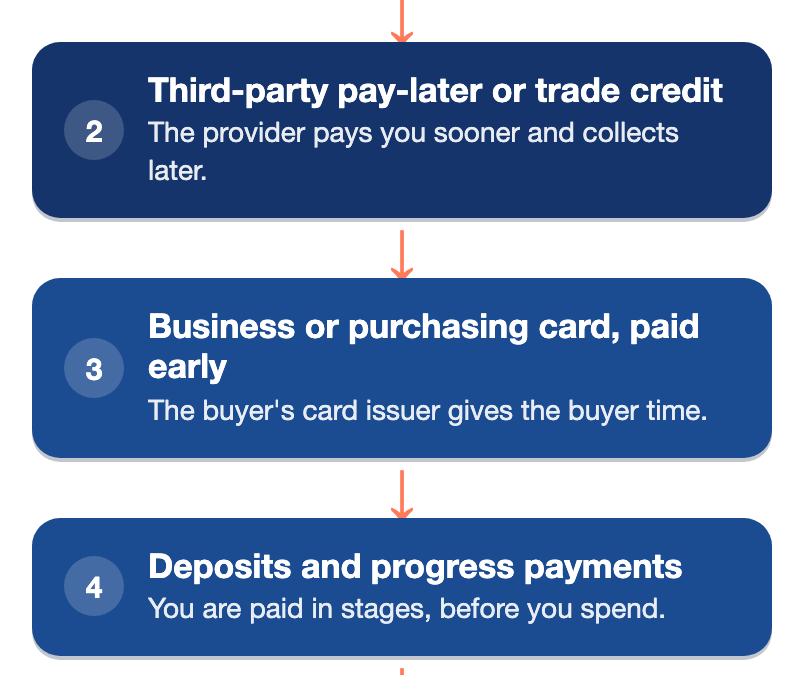
Buy Now, Pay Later Financing Options for B2B Merchants: What Fits Your Buyers
A B2B merchant has five realistic ways to let a business buyer pay later: net terms you carry yourself, a third-party pay-later or trade-credit provider that pays you up front, the buyer’s own business or purchasing card, deposits and progress payments, and...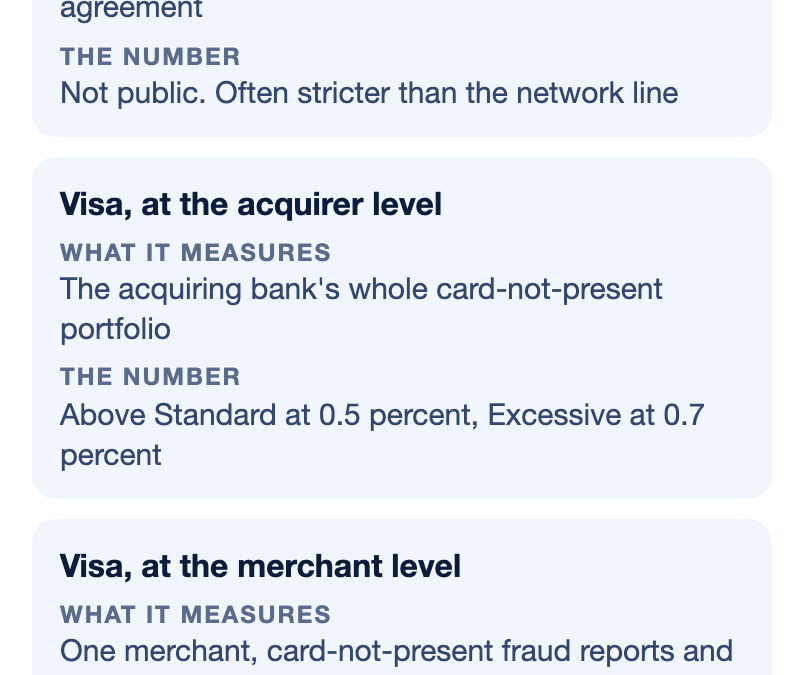
At What Chargeback Ratio Do Card Networks Start Threatening a Merchant Account?
Visa’s published line for a single merchant in the United States is a VAMP ratio of 1.5 percent, counted on card-not-present fraud reports and disputes, and it only applies once a merchant has at least 1,500 of them in a month. Before April 1, 2026, that...
CEO - Nationwide Payment Systems